Corporate gifting is a time‑honored way to show appreciation, build relationships, and reinforce brand values. Yet, not every hamper on the shelf will earn the applause you expect. In this guide we’ll uncover why some hampers are not suitable for corporate gifting, exploring design pitfalls, product choices, and cultural nuances that can turn a thoughtful gesture into a faux pas. By the end, you’ll know how to pick a hamper that feels personal, professional, and, most importantly, appropriate.
The Anatomy of a Corporate Gift Hamper
A corporate hamper is more than a collection of goodies; it’s a mini‑brand statement wrapped in a single package. Understanding its core components helps you spot red flags before you spend a fortune.
Design and Presentation
First impressions matter. A hamper’s layout, color palette, and finish should echo your company’s aesthetic. A clunky cardboard box with mismatched ribbon can feel like a souvenir from a thrift store. Aim for a clean, cohesive look that signals attention to detail.
Product Selection
The items inside should reflect the recipient’s tastes and your brand’s message. Think quality over quantity. A hamper stuffed with generic chocolate Whisky/spirits hampers bars might be safe, but it risks being overlooked as a generic corporate token.
Brand Alignment
Every element—from the logo on the box to the taglines on the included cards—must reinforce your brand identity. A hamper that looks like it was assembled in a basement doesn’t say “we care” as loudly as one that showcases your brand’s colors and mission.
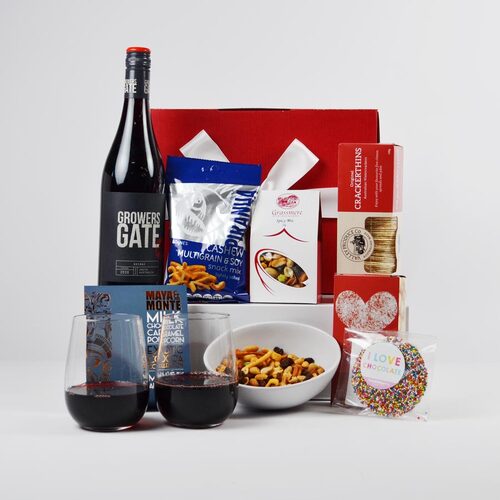

Common Pitfalls That Make Hampers Unsuitable
Even the best‑intentioned hampers can miss the mark. Below are the most frequent missteps that turn a corporate gift into a conversation starter for the wrong reasons.
Overly Generic Items
A hamper full of office supplies, like pens and sticky notes, may feel impersonal. While functional, these items can appear as if you didn’t put much thought into the gift.
Poor Quality or Perishables
Perishable items—think fresh fruit or artisanal cheeses—require careful handling. If they arrive wilted or moldy, you’ve inadvertently handed out a culinary disaster. Quality matters because it reflects on your brand’s standards.
Size and Logistics
Large hampers are great for a grand gesture, but they can be a logistical nightmare. Shipping bulky packages increases costs and risks damage. A smaller, well‑curated hamper often delivers the same impact with less hassle.
Cultural Sensitivity
What’s a thoughtful treat in one culture can be offensive in another. For instance, pork products are taboo in many Middle Eastern or Asian markets. A blanket approach to hamper contents can backfire if you don’t tailor it to the recipient’s background.
> “The best gifts are the ones that bring a smile and show you’ve thought about the person’s culture, tastes, and needs.” – Gift‑Giver’s Handbook
When a Hamper Becomes a Faux Pas
Imagine a high‑profile client receiving a hamper brimming with generic cookies, a rubber duck, and a “World’s Best Boss” mug. The client chuckles, but the next meeting is awkward—no one knows if the duck was a joke or a miscommunication. This anecdote highlights how a mismatch between hamper content and recipient expectations can derail professional rapport.
It raises a question: Do you know your recipient’s preferences well enough to avoid a gift mishap? A simple research step—checking LinkedIn, past interactions, or a quick call—can save you from a costly blunder.
How to Choose the Right Hamper
Selecting the right hamper involves balancing aesthetics, practicality, and brand alignment. Here’s a checklist to guide your decision.
Customization Options
- Personalized labels: Add the recipient’s name or a short message. Custom packaging: Choose colors that match your brand palette. Tailored contents: Select items that resonate with the recipient’s interests.
Packaging Standards
- Eco‑friendly materials: Recyclable or biodegradable packaging shows social responsibility. Durable construction: Ensure the hamper can withstand shipping without compromising its appearance. Clear labeling: Include a brief description of each item to avoid surprises.
Supplier Reliability
- Track record: Choose vendors with proven experience in corporate gifting. Quality assurance: Verify that suppliers maintain high standards for perishables and fragile items. Customer support: A responsive supplier can help resolve any last‑minute issues.
Making Your Selection Count
Choosing the right hamper is not just about picking a box of goodies; it’s about creating a memorable experience that strengthens business relationships. When you invest in a thoughtfully curated hamper, you’re saying, “I value you enough to consider your tastes and our shared values.”
Consider this: a well‑designed hamper can be a conversation starter, a brand reminder, and a token of appreciation—all rolled into one. Think of it as a gift that keeps on giving, even after the last chocolate bar is gone.
So, the next time you’re faced with the question, why some hampers are not suitable for corporate gifting, remember that the key lies in personalization, quality, and cultural awareness. By avoiding generic pitfalls and embracing thoughtful customization, you’ll turn a https://riverdzjl545.trexgame.net/celebrating-love-with-the-perfect-gift-hampers-for-men-anniversary-wine simple hamper into a powerful tool for business growth.
Ready to elevate your corporate gifting game? Start by reviewing your current hamper options and ask yourself: Does this hamper truly reflect who we are and who we want to connect with? If the answer is no, it’s time to rethink the contents and presentation. Your next corporate gift should be a winning hand—no more hamster‑ham surprises!